
June 11, 2026
By Garth Doerksen, Senior Curator
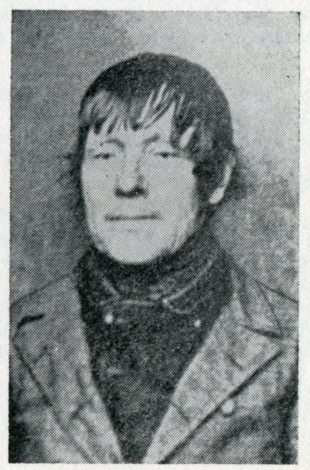
In the early 1800s, Mennonites in Imperial Russia maintained a distinctive approach to health and healing shaped by necessity, inherited traditions, and deeply rooted spiritual beliefs. Living in rural colonies with limited access to formally trained physicians, they relied on a blend of practical remedies, community knowledge, and their faith to respond to illness.
Midwives, trajcht’moakas (bonesetters), and herbal healers served as primary caregivers, drawing on knowledge passed down through generations. Ministers and teachers also provided guidance, offering advice on both physical and spiritual concerns. This reliance fostered resilience and trust in collective wisdom. Families treated everyday health concerns such as fevers, infections, injuries, and childbirth within their settlements using accessible methods and materials.
At the core of Mennonite responses to illness was the concept of Gelassenheit, a spiritual attitude of humility, surrender, and acceptance of God’s will. This belief shaped how Mennonites interpreted sickness, not simply as a physical problem, but as part of a broader spiritual journey.
Mennonite healing practices were influenced not only by tradition but also by widespread European medical theories. One notable example was bloodletting, a common early 19th-century treatment based on balancing the body’s four humours: blood, phlegm, yellow bile, and black bile. Using tools such as lancets, cups, and sometimes leeches, bloodletting was used to address fevers, headaches, infections, and skin conditions. Because it required little equipment and often produced immediate sensations of relief, it became a common method to address various health concerns.
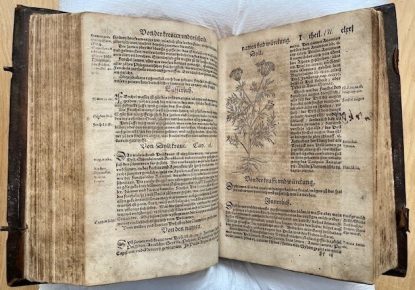
Herbal medicine also formed the foundation of everyday care. Mennonite families relied on local plants from gardens and the surrounding steppe to treat common ailments, creating a plant-based system accessible to all.
Chamomile and mint were widely used for fevers, digestive issues, and restlessness. Yarrow, found throughout the steppe, was valued for stopping bleeding and reducing inflammation.
Comfrey soothed sprains and wounds, while linden and elderflower blossoms were used for coughs and chest congestion.
These remedies were prepared as teas, poultices, salves, or compresses, depending on the need. Knowledge of plants was widely shared, ensuring that even households without a designated healer could provide care.
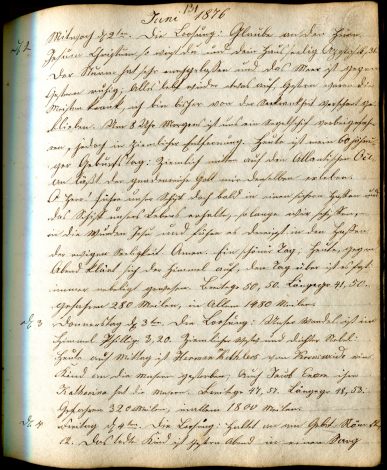
The preservation of medicinal knowledge is evident in the diary of Jakob Wiens (1816–1888), which contains numerous recipes for treating a wide range of conditions. His writings include remedies for scalp infections, ear troubles, spider bites, gout, cholera, sore throats, and children’s illnesses. Wiens also recorded practical preparations such as cough syrup and eyewash, reflecting the comprehensive nature of Mennonite home medicine.
Mennonite healing traditions were not static. When Mennonites migrated to Manitoba in the 1870s, they encountered new environments and learned from First Nations and Métis communities. Through these exchanges, they adopted additional remedies such as willow bark for pain relief and cedar tea for illness blending them with existing practices.
This adaptability highlights the strength of their healing system which was rooted in tradition yet open to new knowledge.
To further explore the story of Mennonites and medicine, don’t miss MHV’s captivating exhibit Mennonite Medicine: Cures and Curiosities 1800 to 1950!
May to September – The museum, Livery Barn Restaurant, General Store, and Village Books and Gifts are open 7 days a week!
NOW OPEN – Mennonite Medicine: Cures and Curiosities – 1800 to 1950 in the Gerhard Ens Gallery.
June 19-21 – Summer in the City Waffle Booth is open. Enjoy fresh waffles with white sauce at Steinbach’s downtown festival.
June 21 – Father’s Day Buffet at the Livery Barn Restaurant, 11:30 a.m.-2:30 p.m.
July 1 – Canada Day at MHV. Free admission all day, along with music, food, rides, and an Antique Tractor Show!
Starting July 6 – Pioneer Day Camps begin. Register online.
Thank you for being a part of Mennonite Heritage Village.